

Reflections from the Swamp

Dear Reader
Carp is having a recycling day next weekend for metal and electronic waste. We have some old metal roofing and an old computer that I wanted to bring to the recycling place at the arena. My bride expressed concern about someone (sinister) accessing our old computer, retrieving our banking information, and quietly bankrupting us while we sleep. She went on about how we could end up living in a tent, eating wild cattail roots and frogs.
I’m sure the frogs want me to solve this dilemma.
My bride told me to plug in the computer and delete everything. I’m not sure that would really delete everything. On detective shows, the police are always accessing information from old computers or broken phones. Some computer geek would be able to find out that we had no money in 1997 or that my friend sent an email because he was pissed when I returned his chainsaw in an unworkable condition.
I began musing about how wonderful it would be to be able to delete some of the stupid things I’ve done or said. The list of ridiculous things got longer and longer as my grey matter churned out the memories.
Amazingly, my brain can remember all the stupid things I’ve done, but it cannot help me remember where I put my phone, wallet, or the names of my sister’s kids.
I imagined finding a computer at the recycling day in Carp with a flashing delete button that could erase all of the stupid things I’ve done.
To keep my embarrassing past a secret, I’ve written a story about Delmer, the main character, dealing with his troubles. The story is a parable, which typically conveys a moral or lesson.
We dream of erasing pain, yet it is pain that gives meaning to joy. Life’s rough edges shape us — and in learning to live with them, we become whole. I hope you enjoy the story.
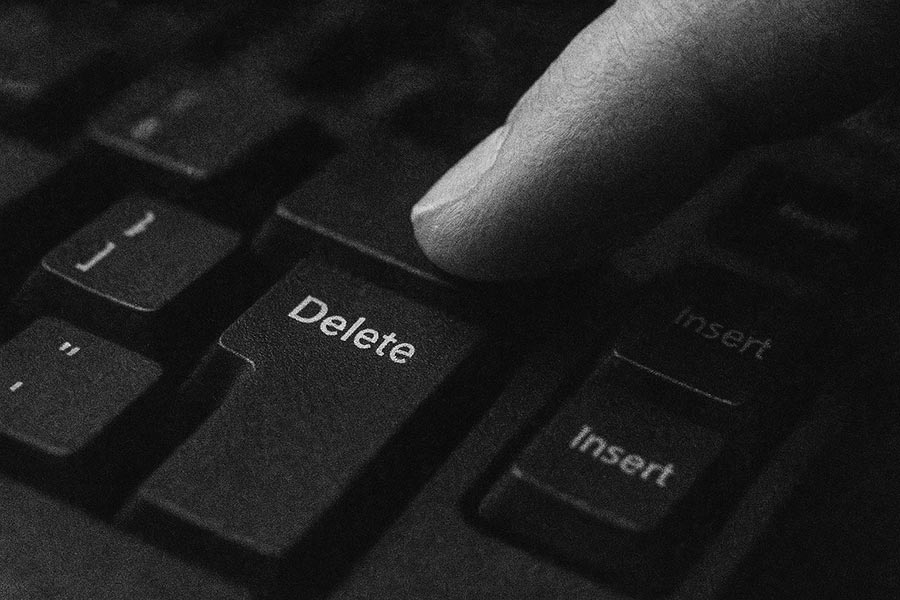
The Delete Key
Delmer found the computer in a pile of recycled e-waste at the Carp Arena. It was dusty, humming faintly as if it had been waiting for him, and on its black screen blinked a single white light on the delete button.
Below it, the screen flashed a warning:
Caution: Deleting certain items may alter the course of history.
Delmer laughed at first. Another gimmick, he thought. Still, curiosity has a way of tugging at the desperate, and desperation was something Delmer had plenty of — debt piled high, a job slipping away, and people he couldn’t face anymore. Delmer tucked the computer under his arm and walked home.
When Delmer got home, he typed:
My credit card debt. Then Delmer hit enter.
The computer went dark for a heartbeat, then rebooted. When Delmer checked his phone, his banking app showed a zero balance. His credit cards were clean. The collectors stopped calling.
It worked!
The next day, he deleted his ex-boss, the man who’d fired him. The news reported that the company had “mysteriously collapsed” overnight. His ex-boss disappeared. No one remembered him—no one except Delmer.
Power is a taste that dulls all fear.
He deleted the man who bullied him in school. He deleted the accident that took his sister’s life. He deleted wars, famine, pollution, one by one — until the world shimmered with perfection, a glossy, sanitized dream.
But perfection is brittle.
Without his debts, Delmer never learned restraint. Without his enemies, he never learned strength. Without tragedy, people lost compassion. The world became dull — peaceful, yes, but hollow. His sister was alive, yet she didn’t know him. History had bent, twisted into a quiet void.
Thinking he should return the computer, he rushed back to the recycling pile by the arena, but it was gone. Recycling day was over. Delmer returned to his apartment with the computer. The computer remained in his apartment, waiting, blinking ominously.
UNDO NOT AVAILABLE.
His heart sank. He typed frantically:
Restore everything. Bring it all back.
The computer blinked, then replied:
Restoration may not return things to exactly how they were. Proceed?
He pressed Enter.
The screen went black. Delmer assumed it didn’t work. Exhausted, he went to sleep.
The next day, when Delmer awoke, he was back in his tiny apartment, bills scattered on the table, phone ringing with collectors, memories restored — and yet, something had changed. The weight was still there, but so was gratitude. His sister was gone again, yes, but her photo smiled from the shelf. The world was flawed, noisy, painful — and beautifully alive.
He unplugged the computer, carried it outside, and left it on the curb. Like the genie in the bottle left on a beach, the story of the delete button awaits new chapters.
We learn from mistakes. Forgiveness and reconciliation are the best we can do. We can’t delete the past, but we can learn from our mistakes and make corrections.
