


Before closing our cottage on White Lake for the season, we went for walks along the nearby road to take in the spectacular display of fall colours. During these walks we were reminded of the surprising number of different road-side plants that were still blooming, although in much diminished intensity from during the summer. Two years ago, we presented an article titled Final Fall Flowers that showcased some of the species still flowering in October, including blueweed, clovers, gaillardia, Lindley’s aster, and spotted knapweed. We want to highlight some of the other hardy plants that autumn colour admirers can enjoy.
Bladder campion is a member of the “pink” family of plants, whose flowers usually have five petals. This perennial has deep persistent roots rendering the plant extremely determined to grow. Other common names for this weed include cow-bell and rattleweed. Originally from Eurasia, bladder campion can be found in every province; however, it is most common in eastern Canada. The bladderlike flowers of this hardy plant can be seen from mid-June to early October.

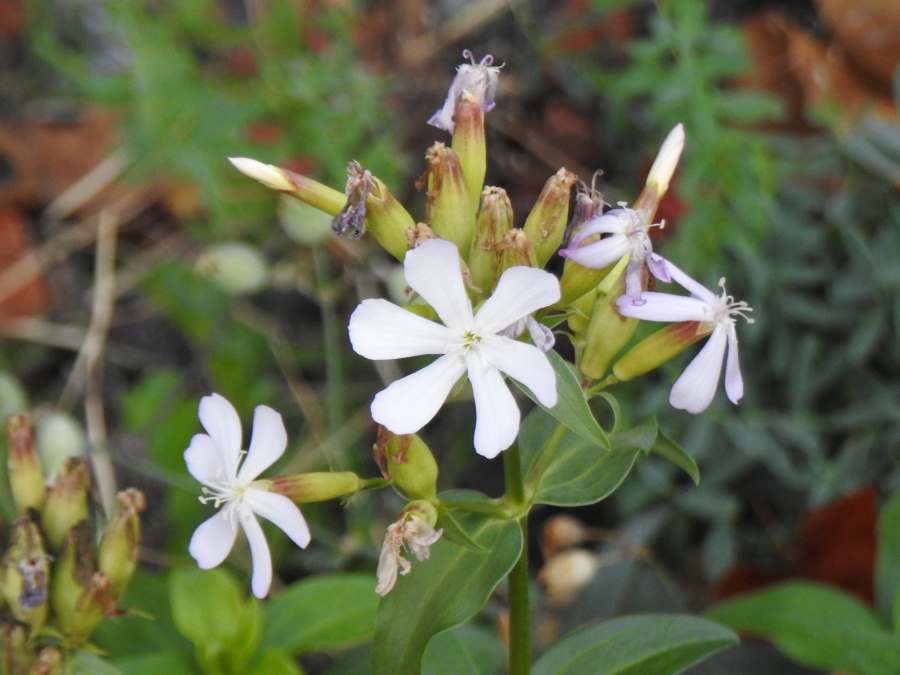
Bouncing Bet is also a member of the “pink” family. This perennial produces pale pink to white trumpet-shaped flowers from July to early October. Another common name for this plant is soapwort. This phlox-like flower was introduced from Europe. It spreads by underground stems, forming large colonies of plants. The leaves contain saponins which are toxic to some insects. Saponins produce a soapy lather when crushed leaves are rubbed together and is sometimes an ingredient in homemade soap.
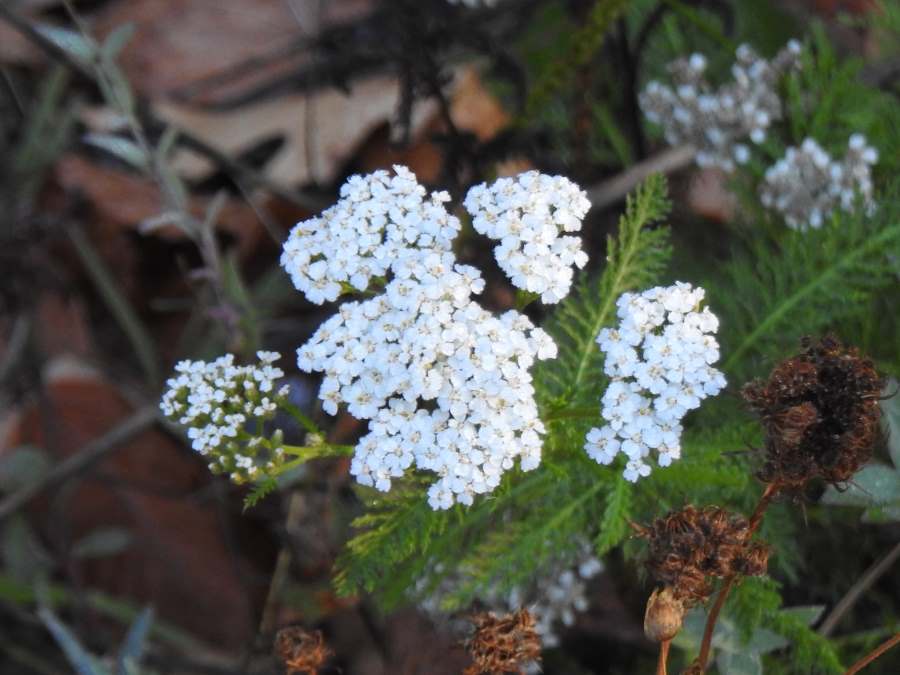
Common yarrow is a member of the “composite” family of plants, members of which have groupings of small flowers which form heads. This perennial plant, also called yarrow and milfoil, grows in every province and is one of the most commonly occurring weeds in Canada, exceeded only by the dandelion. This species is native to North America. The clusters of small white flowers can be seen from June through October.
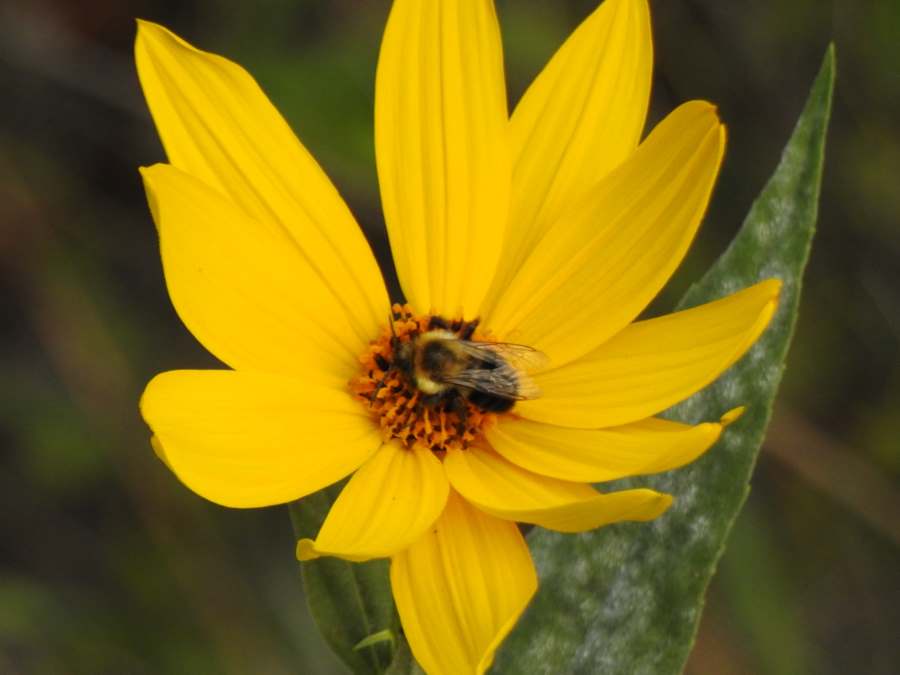
Giant sunflowers are also members of the “composite” family. Another common name is tall sunflower. The “giant” in giant sunflowers describes its height rather than the size of the bloom. As you can see, the flowers are relatively small. One of the fun features of all sunflowers is how they follow the position of the sun as it moves across the sky. Blooms can be seen from July to early October.
Goldenrod is another member of the “composite” family. There are some 120 species of goldenrod native to North America. This perennial is found from Newfoundland to Saskatchewan, blooming from late July to mid-October. Many blame this plant for causing hay fever; however, while these species bloom during hay fever season, the plant’s relatively heavy, sticky pollen usually adheres to insects or falls to the ground close to the plant and so rarely makes its way into the sinuses of sensitive people. Interestingly, this North American weed is cultivated by many gardeners in Europe.

One might wonder about the efficacy of these plants’ reproductive strategy, blooming so late in the year. Although the number and variety of pollinators, both insects and birds, are significantly diminished by October, other types of mechanical pollination, such as wind, remain. We must leave to true scientists’ speculation of how such late-blooming benefits plants. In the meantime, we enjoy the additional colour and visual interest they contribute to our brisk fall viewing pleasure.
We relied on three field guides for preparing this article: Clarence Frankton and Gerald A. Mulligan’s Weeds of Canada; Timothy Dickinson, Deborah Metsger, Jenny Bule, and Richard Dickinson’s The ROM Field Guide to Wildflowers of Ontario; and, William A. Niering and Nancy C. Olmstead’s National Audubon Society Field Guide to North American Wildflowers.
